Energy efficiency has become an increasingly important factor in the UK housing market. Rising energy costs, tighter lending criteria and changing buyer expectations have placed EPC ratings firmly on the agenda. National data shows gradual improvement in housing efficiency, but the picture at local level is often more nuanced.
For buyers exploring homes in Hale, and particularly those focused on Hale in general, the question is simple. Are homes actually getting greener here, or is progress slower than the national headlines suggest.
Using national EPC figures and applying them to Hale’s housing stock, this article examines what the data shows, where improvements are happening and what this means for buyers, sellers and landlords locally.
What the Latest EPC Data Shows Nationally
Recent national analysis highlights a steady improvement in EPC ratings across the UK housing stock. A growing proportion of homes now fall into EPC bands A to C compared with a decade ago. This reflects increased investment in insulation, modern heating systems and better glazing.
However, the data also shows that progress has slowed in recent years. While awareness is high, the cost of upgrades and uncertainty around regulation has led many homeowners to delay improvements.
According to Rightmove’s 2025 Green Homes Report, energy efficiency gains are real but uneven, with older housing stock lagging behind newer developments.
This national picture provides useful context, but it does not fully explain how places like Hale compare.
Hale’s Housing Stock and EPC Reality
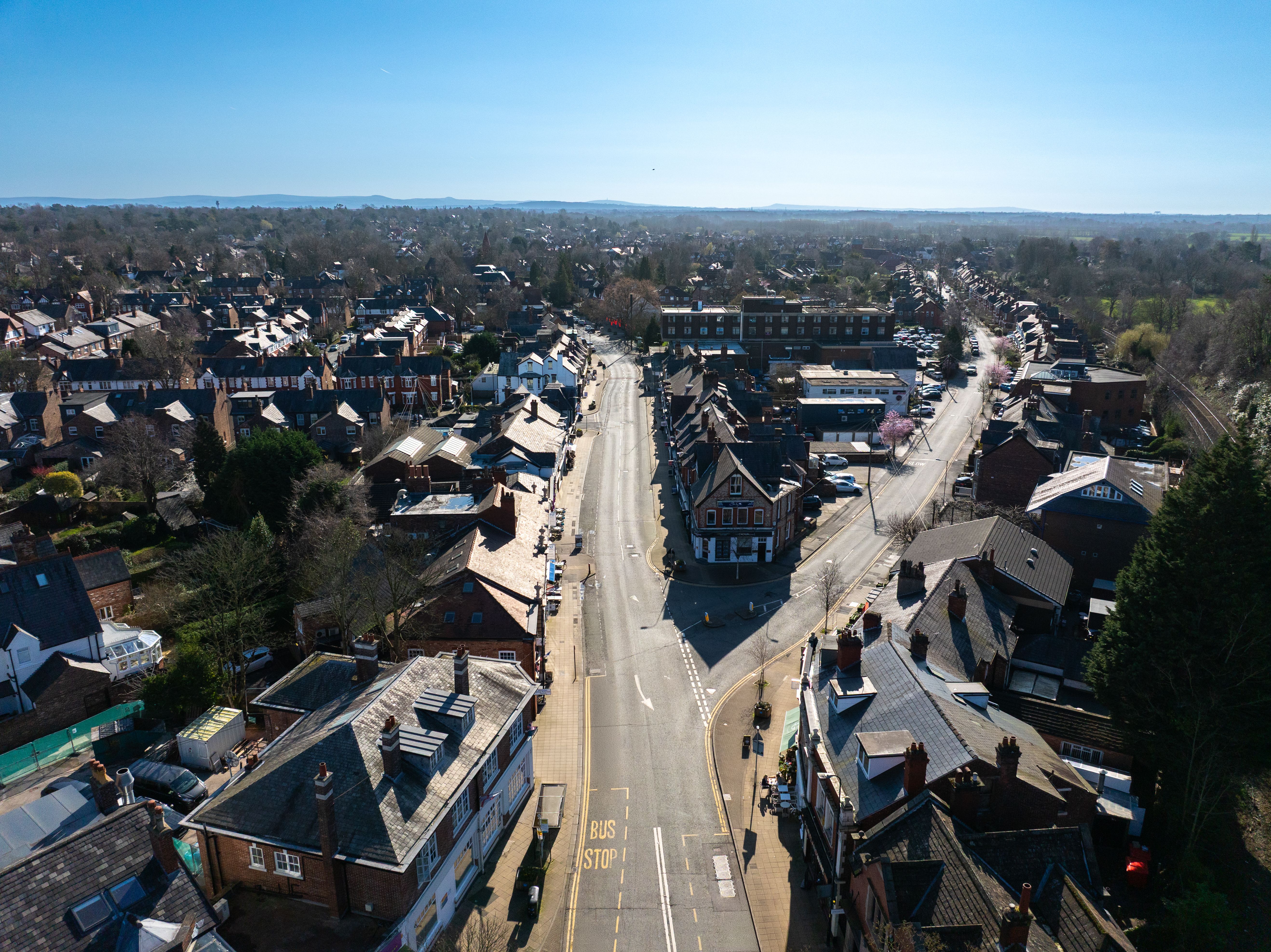
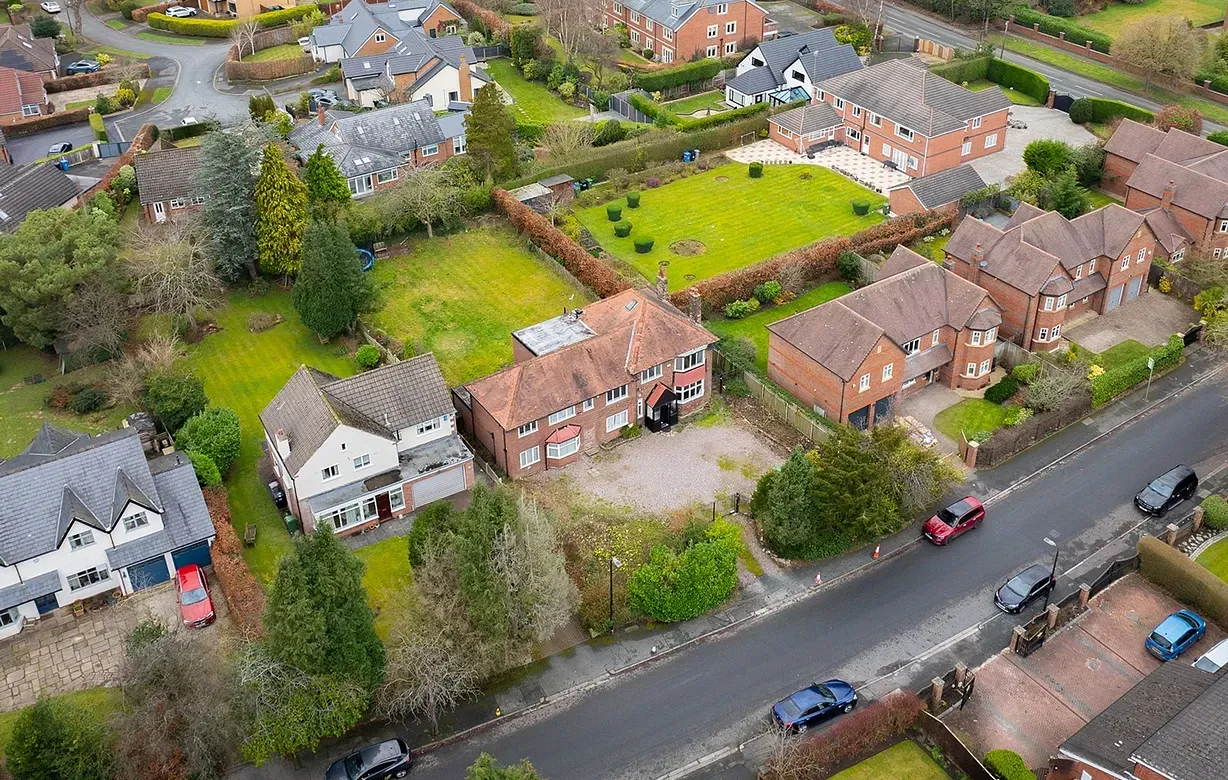
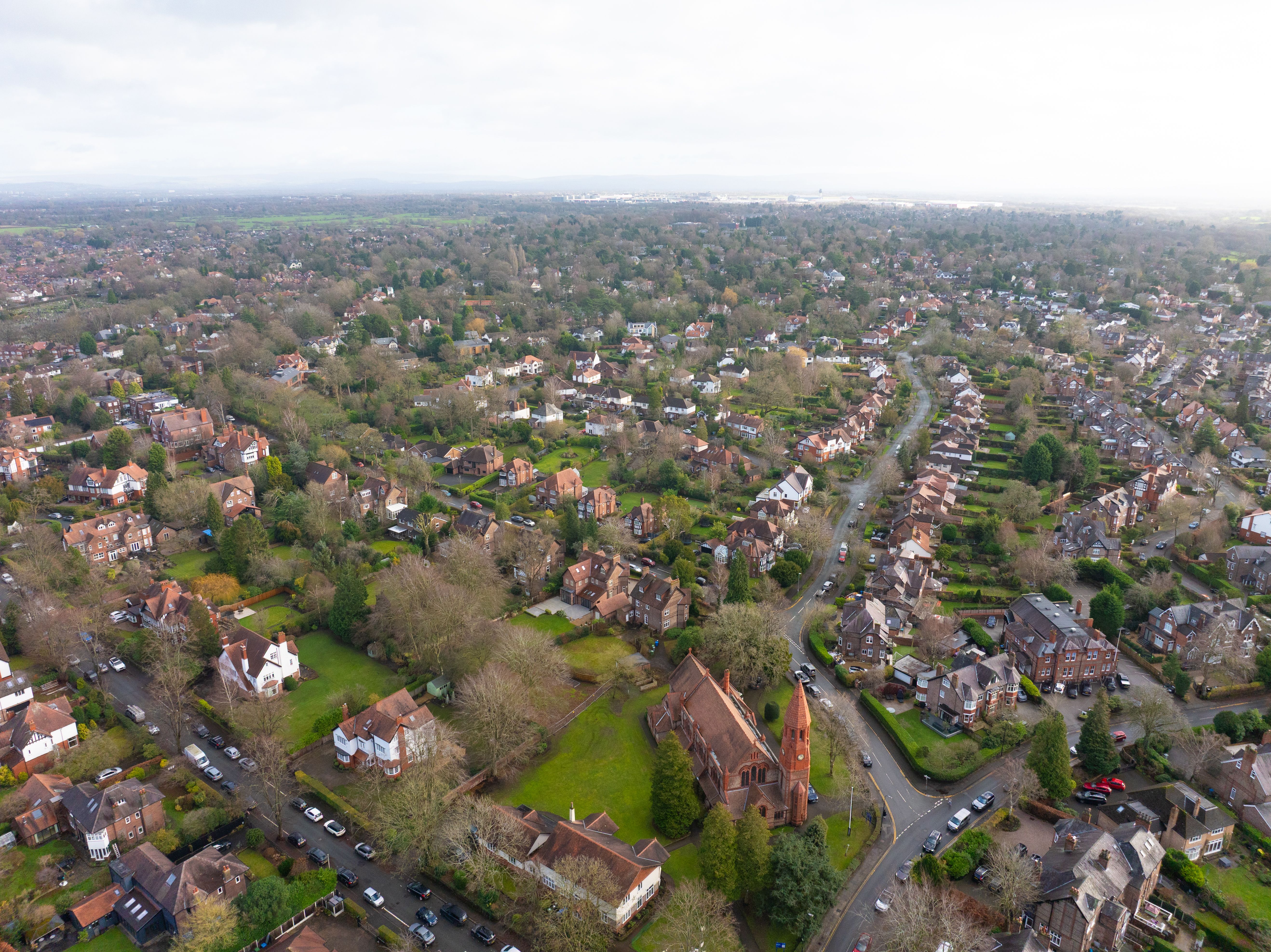
Hale’s housing stock is dominated by older, larger homes. Many properties date back several decades and were built long before modern energy efficiency standards existed. While these homes offer space, character and strong resale appeal, they often require significant upgrades to improve EPC ratings.
As a result, Hale tends to have a higher proportion of EPC D and E rated homes compared with newer suburban developments. This does not mean homes are inefficient by default, but it does highlight the limits of national averages when applied locally.
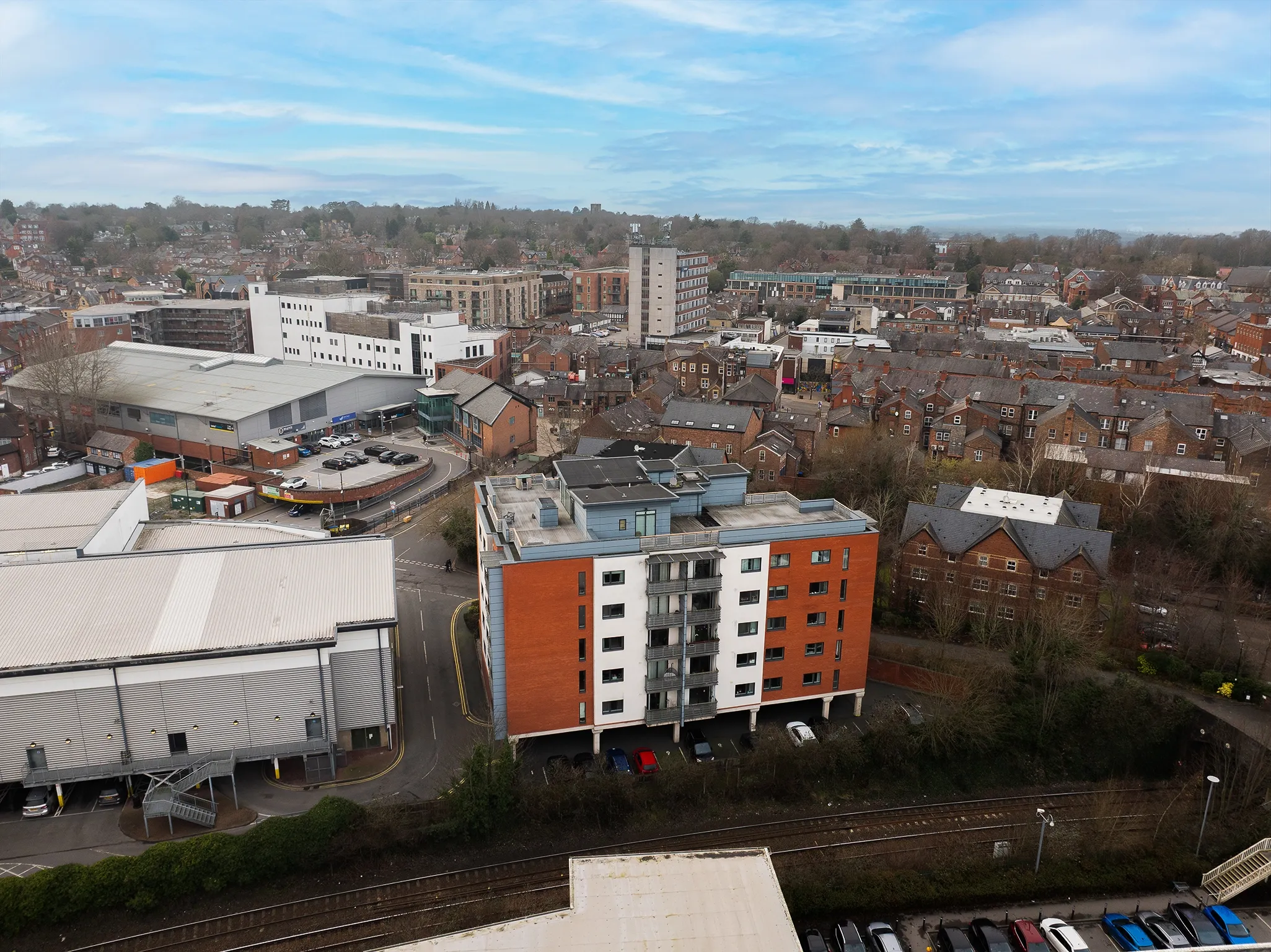
For buyers looking at homes for sale in Cheshire, this distinction matters. A C-rated apartment built in the last ten years is very different from a Victorian or inter-war detached home in Hale that may still rely on older systems.
Where EPC Improvements Are Happening in Hale
Despite the challenges, improvements are happening. Homeowners in Hale are increasingly investing in targeted upgrades rather than full retrofits. Common improvements include:
- Replacement boilers and heating controls
- Improved loft and cavity wall insulation
- Double and triple glazing
- Smart thermostats and energy monitoring
These changes can lift EPC scores without altering the character of the home. Many sellers now complete these upgrades before marketing to improve buyer appeal.
Estate agents in Hale are seeing increased buyer interest in properties where energy improvements have already been addressed, particularly as running costs become more visible during the buying process.
Buyer Behaviour and Energy Efficiency
Buyers are more energy conscious than they were even five years ago. While EPC rating is rarely the sole decision factor, it increasingly influences comparisons between similar homes.
For family buyers, future energy costs are now considered alongside location, schools and layout. For downsizers, lower running costs often rank higher than square footage.
This shift is subtle but important. Homes with improved EPC ratings may not command higher asking prices, but they often sell faster and with fewer objections during negotiation.
Mortgage Lending and EPC Sensitivity
Lenders are paying closer attention to energy efficiency. Some mortgage products now offer incentives for higher EPC ratings or for buyers committing to post-purchase upgrades.
This trend does not exclude older homes, but it does add another layer of scrutiny. Buyers considering lower EPC properties may need to factor improvement costs into affordability calculations.
For those exploring homes in Cheshire, particularly in premium areas like Hale, this reinforces the importance of understanding a property’s EPC position early in the process.
Landlords, EPC Standards and Local Impact
Landlords face a different set of pressures. Existing and proposed regulations continue to focus on improving rental property efficiency, with minimum EPC standards remaining a point of discussion.
In areas like Hale, where rental properties are often older houses rather than purpose-built flats, compliance can be more complex and costly.
Some landlords have already upgraded properties to meet requirements. Others are reassessing portfolios, particularly where improvement costs outweigh long-term yield.
This dynamic may gradually reduce rental supply, which in turn influences pricing and buyer demand in the owner-occupier market.
Are Newer Homes Skewing the National Picture
One reason national EPC figures can appear optimistic is the growing share of newer homes in overall data. New builds are typically rated A or B due to modern construction standards.
Hale has limited new development compared with other parts of Cheshire. This means local EPC averages do not benefit from the same uplift seen in areas with higher new-build volumes.
This reinforces why applying national data directly to Hale can be misleading without local context.
What Sellers in Hale Should Consider
Sellers do not need to aim for top EPC ratings, but small improvements can make a difference. Addressing obvious inefficiencies before listing can reduce buyer concerns and improve marketability.
Simple steps such as servicing heating systems, improving insulation where possible and providing clear EPC documentation can help manage expectations.
Estate agents in Hale and Manchester increasingly advise sellers on EPC positioning alongside pricing and presentation, recognising its growing role in buyer decision-making.
What Buyers Should Look For
Buyers should view EPC ratings as a guide rather than a verdict. A lower rating does not automatically mean high costs, just as a higher rating does not guarantee low bills.
Key considerations include:
- Age and condition of heating systems
- Insulation upgrades already completed
- Scope for future improvements
- Likely cost versus long-term benefit
Understanding these factors allows buyers to make informed comparisons rather than relying on headline ratings alone.
Longer-Term Outlook for Hale
Hale is unlikely to see rapid EPC transformation in the short term. The character of the housing stock and planning constraints mean change will be gradual rather than dramatic.
However, incremental improvement is likely as homeowners respond to cost pressures and buyer expectations. Over time, this will slowly shift EPC averages without altering the fundamental appeal of the area.
For buyers focused on buying homes, Hale remains attractive for its lifestyle and location, with energy efficiency becoming one of several factors rather than a deciding barrier.
How Local Knowledge Matters
Understanding EPC data in isolation is rarely enough. Local insight helps place ratings in context and identify realistic improvement paths.
Local Hale estate agencies such as Bentley Hurst use local experience to explain how EPC performance interacts with property type, age and buyer expectations in Hale.
This practical approach helps buyers and sellers navigate energy efficiency without unnecessary alarm or oversimplification.
Conclusion
National EPC data shows that UK homes are gradually becoming greener, but progress is uneven. In Hale, the picture reflects the reality of an older housing stock where improvement is possible but incremental.
For buyers exploring homes for sale in Cheshire, energy efficiency should be considered alongside location, condition and long-term suitability. For sellers and landlords, understanding EPC positioning can help manage expectations and improve decision-making.
Homes in Hale may not be leading the EPC rankings, but they are evolving in line with practical realities rather than short-term targets.
FAQ
Are homes in Hale improving their EPC ratings?
Yes, but gradually. Most improvements come from targeted upgrades rather than full retrofits.
Do EPC ratings affect house prices in Hale?
They rarely drive prices directly but can influence buyer interest and speed of sale.
Are older homes at a disadvantage?
Older homes often have lower EPC ratings but can still perform well with sensible upgrades.
Should buyers avoid low EPC homes?
Not necessarily. Buyers should assess upgrade potential and running costs rather than relying on the rating alone.
Will EPC rules change again?
Regulation continues to evolve, particularly for rental properties, so staying informed is important.
Need a property valuation?

Director
0161 543 0310